Introduction: The Silent Power Behind Change
It’s a well-quoted statistic in change management circles: 70% of change initiatives fail. The reasons vary—lack of leadership buy-in, unclear vision, resource constraints—but time and again, research and field experience point to a more human culprit: employee resistance and lack of engagement.
Why do people resist change even when it makes rational sense?
Because change doesn’t happen on spreadsheets or PowerPoints—it happens in the conversations between people, in the trust built over time, and in the quiet influence of relationships. In other words, change lives or dies in the informal networks within an organization.
This article explores how understanding and leveraging informal networks and social capital can be the difference between a transformation that fizzles and one that flourishes.
What Are Informal Networks?
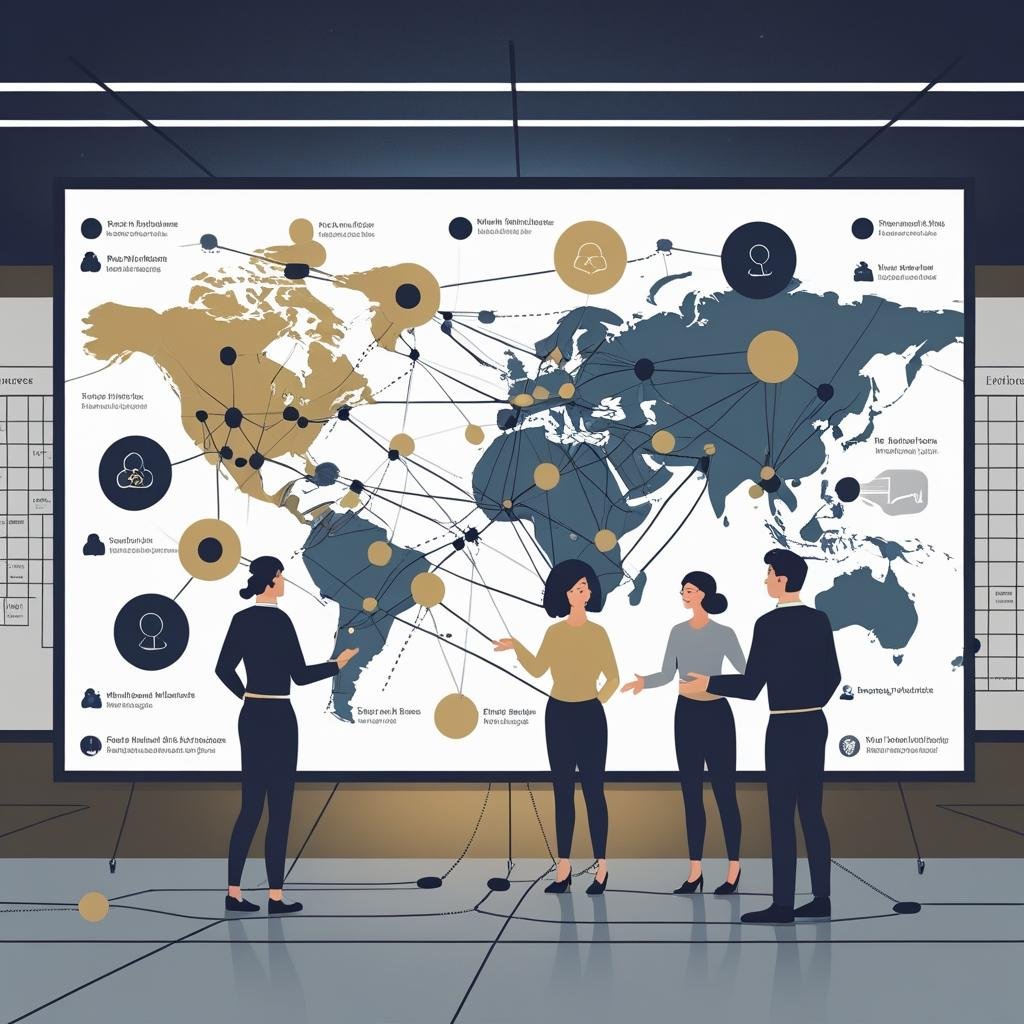
Formal organizational charts outline reporting structures and authority. But any seasoned leader knows that influence doesn’t always follow those lines. Informal networks are the invisible web of relationships that cross functions, roles, and hierarchies.
They include:
- The “go-to” problem solvers everyone turns to for help
- The social glue who connects people across silos
- The trusted advisors whose opinion shapes sentiment and buy-in
- The experienced veterans who mentor new hires informally
These networks form organically through shared experiences, trust, collaboration, and communication—not formal job descriptions. And when it comes to change, these are the people others listen to, follow, and emulate.
Defining Social Capital: The Fuel of Informal Networks
Social capital is the value derived from relationships. Unlike financial capital or human capital, it is not owned by individuals—but exists between them.
There are three main types:
- Bonding Social Capital: Trust and mutual support within a group (e.g., within teams or departments).
- Bridging Social Capital: Connections between diverse groups (e.g., cross-functional teams).
- Linking Social Capital: Trust between individuals and those in positions of power or authority.
The stronger the social capital in a network, the more efficiently information, influence, and support flow—especially during periods of uncertainty.
Why Traditional Change Management Falls Short
Many change programs are designed around formal structures:
- Leaders communicate the vision
- Managers cascade tasks
- Training is conducted
- Progress is tracked
But this top-down model often misses how people actually process and respond to change:
- People talk to each other before they act.
- People are more likely to adopt behaviors modeled by trusted peers than directives from above.
- People need psychological safety—built through informal trust—to experiment and adapt.
As a result, initiatives that fail to engage the informal system of influence are vulnerable to passive resistance, miscommunication, and inertia.
The Evidence: Why Informal Influence Matters
- A Deloitte study on change management found that peer influence is more effective than managerial directives in driving behavior change.
- In their book The Hidden Power of Social Networks, Rob Cross and Andrew Parker show that 3-5% of employeesin a company typically account for 20-35% of the value-added collaboration—these individuals are central nodes in informal networks.
- The World Bank, McKinsey, and the World Economic Forum all highlight the importance of network mapping and social capital in ensuring inclusive, sustainable organizational transformation.
They held informal Q&A sessions, demonstrated use cases, and shared success stories. Because the champions were trusted insiders, resistance softened. Within 90 days, adoption hit 85%.
The difference wasn’t the technology—it was the human strategy behind the implementation.
How to Leverage Informal Networks for Successful Change
1. Map the Informal Network
Before you launch, ask:
- Who do people trust for guidance?
- Who connects different teams or functions?
- Who do people naturally follow, listen to, or emulate?
Use Social Network Analysis (SNA) tools or anonymous surveys to chart influence patterns. These insights will often surprise leaders—revealing previously unseen hubs of trust and connectivity.
Key outputs:
- Network map highlighting key influencers and bridges
- Identification of “hidden leaders” without formal authority
2. Build an Informal Coalition of Change Champions
Bring the most influential informal leaders into the change process early. Not just as token representatives—but as co-creators, testers, and communicators.
Give them:
- The “why” behind the change
- Freedom to localize messages
- Recognition for their contributions
When peers see familiar, trusted voices endorsing the change, it builds confidence faster than any email from the C-suite.
3. Nurture Social Capital During Change
Change strains relationships. In fast-moving transitions, teams can become fragmented or siloed. Strengthen social capital intentionally:
- Encourage cross-functional collaboration
- Highlight and reward team-based wins, not just individual KPIs
- Promote informal learning spaces (coffee catchups, Slack forums, lunch-and-learns)
- Provide support for “connectors” who facilitate communication across divides
The more trust you invest in during change, the more resilient your teams will be.
4. Design Peer-to-Peer Communication Flows
Avoid relying only on formal updates. Instead:
- Use informal communication channels: Teams, WhatsApp, Slack
- Share real user stories and mini-victories from early adopters
- Facilitate open Q&A sessions led by trusted insiders
- Create “Mythbusters” content addressing rumors or concerns from the floor
5. Embed Informal Feedback Loops
Create safe spaces for people to voice concerns—not to leadership, but to peers who report back trends.
Monitor:
- Shifts in influence over time
- Whisper campaigns or informal resistance signals
- New peer leaders emerging during the change process
Flex your plan based on this real-time social data.
Bringing It All Together: A Lifecycle Approach
| Change Phase | Informal Network Strategy |
| Initiation | Identify informal influencers and bridge-builders |
| Planning | Engage key connectors as co-designers and early testers |
| Execution | Train and empower peer champions for frontline communication |
| Embedding | Use informal feedback loops and social capital-building tactics |
| Sustainment | Recognize champions, document lessons, and update network maps |
Case in Point: Informal Influence in Action
Scenario A: Digital Rollout Fails Quietly
A large retail company introduced a new point-of-sale system across stores. Leadership mandated the change, conducted formal training, and provided resources. However, the change was met with quiet resistance.
Why? The store supervisors—respected for their on-the-ground knowledge—were not consulted. Informally, they advised teams to “wait it out.” Adoption lagged, customers experienced delays, and after six months, the rollout was deemed a failure.
Scenario B: Change Champions Spark Momentum
In contrast, a healthcare NGO implemented a new digital records system. The project team mapped informal influence networks across departments. Peer champions were identified, trained, and empowered to lead the change.
Final Reflection: The Real Work of Change
At its heart, change is about people. And people are moved by trust, not just titles. Every successful change initiative hinges not just on the brilliance of the strategy, but on the power of networks and relationships that carry it forward.
You can’t dictate trust. You can’t mandate belief. But you can nurture the conditions for both to emerge—through relationships, visibility, and connection.
So the next time you’re charting a transformation roadmap, don’t just ask who’s on the project team. Ask:
- Who do people listen to?
- Who do they trust?
- Who do they follow—when no one is watching?
That’s where change really begins.
Next Steps for Change Leaders
- Conduct an informal influence audit of your teams
- Integrate peer champions into your change planning
- Begin tracking social capital as an asset in organizational strategy
Let’s move beyond managing change. Let’s lead it—through people.