What is Hybrid Project Management?
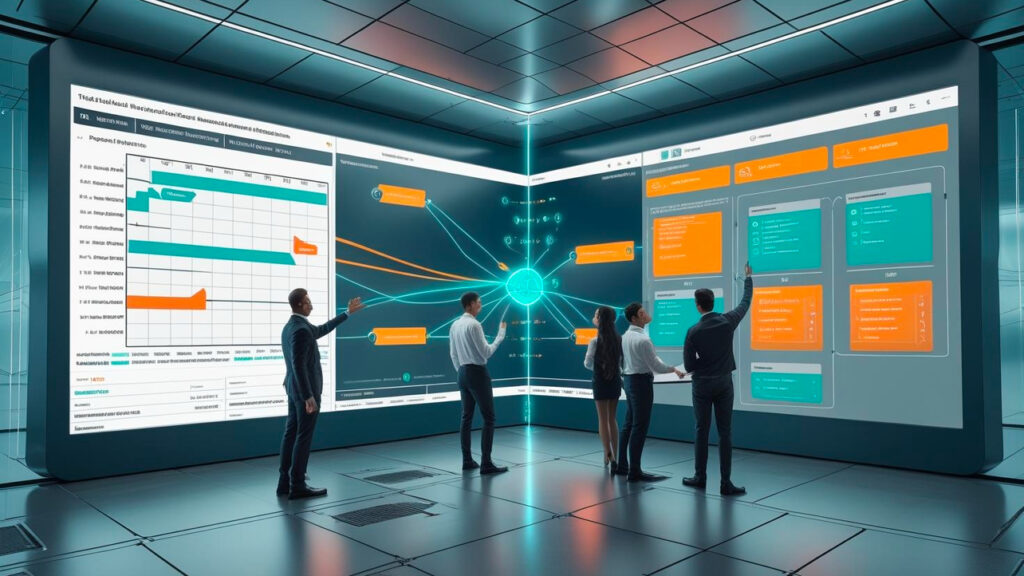
Hybrid project management refers to the customized integration of tools, techniques, and practices from more than one project management methodology. While traditional approaches like Waterfall emphasize planning, documentation, and sequential phases, others emphasize iteration and responsiveness. A hybrid approach draws from both to suit a project’s unique environment.
For instance, a company developing a new financial platform may use a structured stage-gate process for compliance audits while simultaneously using iterative cycles to test front-end user experiences. This blend ensures both innovation and regulatory adherence.
Why Traditional Methodologies Alone Aren’t Enough
Historically, organizations chose a single methodology and adapted all their projects around it. But today’s challenges — digital disruption, global collaboration, tighter deadlines, and rising customer expectations — often render such rigidity inefficient.
Consider the challenges:
- A single methodology may not account for varying stakeholder needs.
- Remote and hybrid teams require different communication rhythms.
- Regulatory landscapes differ across markets and industries.
A hybrid approach allows for a tailored balance between structure and responsiveness, ideal for navigating uncertainty without sacrificing governance or quality.
Core Drivers Behind the Rise of Hybrid Methodologies
- Digital Transformation Initiatives
As businesses move toward digital-first strategies, projects often blend software development, infrastructure upgrades, training, and customer research. No single methodology can manage all those streams effectively. - Geographically Distributed Teams
Global project teams work across time zones, cultures, and communication styles. Hybrid methodologies allow localization of planning practices while maintaining global coordination. - Complex Stakeholder Ecosystems
Today’s projects involve a diverse mix of internal and external stakeholders — executives, partners, regulators, and end users. Hybrid approaches accommodate both high-level reporting and iterative feedback. - Regulatory & Compliance Requirements
Highly regulated sectors like healthcare, defense, and finance require detailed documentation and audit trails — elements often found in traditional models — along with speed and adaptability.
Benefits of Adopting Hybrid Project Management
- Custom-Fit Methodologies
Projects are rarely identical. Hybrid PM allows customization based on team maturity, project type, and deliverable complexity. - More Engaged Stakeholders
With flexibility in approach, teams can align project cadence with how stakeholders prefer to collaborate — from detailed milestone reviews to real-time dashboard reporting. - Resilience in Uncertainty
Hybrid models allow course correction without complete realignment. This is especially critical in volatile markets or during crises. - Scalable and Repeatable Processes
Over time, hybrid frameworks can evolve into proprietary PM playbooks, giving organizations a replicable advantage without sacrificing flexibility.
Best Practices to Implement a Hybrid PM Approach
- Define the Blending Logic Early
Clearly articulate which elements of each methodology are being adopted and why. Avoid “cherry-picking” without alignment to project goals. - Onboard the Team with Clear Expectations
Hybrid models often require a cultural shift. All team members must understand their roles, workflows, and tools within this blended structure. - Create Dual Cadences
Use one cadence for executive reporting (monthly milestone reviews) and another for internal team iteration (weekly stand-ups or demo sessions). - Maintain Documentation Discipline
Even if parts of the project are iterative, maintain documentation rigor—especially in areas like risk management, compliance, and stakeholder alignment. - Use Integrated Tools
Platforms like Asana, Wrike, Jira, or Microsoft Project can be customized to manage both structured Gantt charts and flexible Kanban boards in the same project environment.
Tailoring Hybrid Methodologies by Industry
- Technology Startups: Blending rapid prototyping with quarterly business reviews to balance innovation with strategic oversight.
- Construction & Real Estate: Combining structured permitting and safety protocols with flexible supply chain management.
- Healthcare: Using iterative design thinking for patient experience while adhering to rigid clinical trial protocols.
- Education: Piloting hybrid LMS solutions with iterative faculty feedback and formal accreditation steps.
Common Mistakes to Avoid in Hybrid Implementation
- Lack of Governance: Without a clear oversight framework, hybrid methods can drift into chaos.
- Over-customization: Tailoring every project from scratch wastes time. Develop a base template for hybrid execution.
- Failure to Train Teams: A hybrid model needs alignment in language, expectations, and tools. Training is critical.
- Ignoring Change Management: Hybrid adoption often means redefining workflows, authority, and accountability. Change management must accompany rollout.
Expert Insights on the Future of Hybrid PM
🔹 “Hybrid is not a compromise — it’s a strategic evolution of project management. It allows you to manage complexity without stifling innovation.”
— Dr. Ricardo Vargas, PM Thought Leader
🔹 “Hybrid models work best when governance is tight, but execution is decentralized.”
— Emily Chan, PMO Director at a Global Pharma Giant
🔹 “In our firm, hybrid PM is now standard. We build modular playbooks so teams can plug-and-play depending on the project type.”
— Rajeev Menon, IT Services Consultant
Real-World Examples of Hybrid Methodologies in Action
1. NASA’s Project Planning
NASA blends highly structured processes (to comply with mission assurance and safety regulations) with more iterative models during R&D phases. The Mars Rover projects, for instance, used milestone-based reviews alongside agile cycles for software testing.
2. Hyderabad Metro Rail Project
A massive public infrastructure initiative recognized by Harvard as a global benchmark. The project used a combination of classic risk and stakeholder management practices with adaptive execution to deal with unpredictable urban and political factors.
3. Pfizer’s Vaccine Rollout
During the COVID-19 pandemic, Pfizer employed hybrid models to manage global regulatory approvals (sequential and structured) alongside real-time manufacturing scale-ups (agile and iterative).
Conclusion: Time to Rethink the PM Playbook
The future of project management isn’t rigid—it’s resilient. Hybrid project management methodologies offer organizations the strategic ability to balance structure with flexibility. Whether you’re in a high-risk regulatory environment or a fast-moving innovation space, tailoring your approach is no longer optional—it’s essential.
Reflection:
What kind of projects are you running? Are they being constrained by outdated structures or scattered due to overly flexible methods? Maybe it’s time to develop a hybrid playbook that works for your context.
Join the Conversation
How is your organization adopting hybrid project management? Share your frameworks, lessons learned, or favorite tools in the comments or on LinkedIn.